Outline for Artisan Pizza Dough
Creating the perfect artisan pizza dough is an art form—one that balances precision with a touch of creativity. In this article, we’ll break down everything you need for that crispy, chewy, bubbly crust we all crave. If you’re ready to impress your friends or just enjoy a cozy night in with a homemade pizza, let’s dive into the details of bringing your dough to life!
Understanding the Ingredients
Before we start mixing, let’s familiarize ourselves with the key components of our artisan pizza dough. Each ingredient plays a specific role:
- Flour: Choosing the right type of flour is crucial. For a wonderful texture, high-protein bread flour is often recommended because it creates that chewy crust we adore.
- Water: The temperature of your water matters. Using warm water (around 100°F) can activate the yeast more effectively compared to cold or boiling water.
- Yeast: This little organism is responsible for making your dough rise. Active dry yeast or instant yeast works wonders in our recipe.
- Salt: Not just for flavor! Salt strengthens gluten and improves dough elasticity.
- Olive Oil: A touch of olive oil adds flavor and richness to your crust.
For a great starter guide to pizza-making, check out resources from King Arthur Baking.
The Dough-Making Process
Now that we’ve got our ingredients sorted, let’s go step-by-step through the artisan pizza dough process to ensure your success.
Mixing the Ingredients
- Start with the Flour: In a large bowl, combine our flour and salt. Mixing them first ensures even distribution.
- Activate the Yeast: If using active dry yeast, dissolve it in warm water, letting it rest for about 5-10 minutes until it becomes foamy. Instant yeast can be added directly to the flour.
- Combine and Mix: Once your yeast is ready, pour it into the flour mixture. Gradually add olive oil and the remaining water. Begin mixing with a spoon until a sticky dough forms.
Kneading the Dough
Kneading is essential for developing gluten, which gives our crust that beloved stretchability. Here’s how to do it effectively:
- Transfer the dough to a floured surface. Knead for 8-10 minutes. Don’t rush this process! You’ll know it’s done when the dough is smooth and elastic.
- Add flour as needed: If it’s too sticky, sprinkle just a bit of flour on the surface, but avoid over-flouring, which can lead to a dry dough.
The First Rise
After kneading, let’s give that dough some time to rise.
- Form a Ball: Shape the kneaded dough into a ball and place it in a greased bowl. Don’t forget to cover it with a damp cloth or plastic wrap to trap warmth and moisture.
- Time to Rise: Let it sit in a warm, draft-free area for about 1-2 hours or until it doubles in size.
Shaping and Rounding
Once your dough has risen, it’s time to get hands-on with shaping!
- Deflate and Divide: Gently punch down the dough to release air. Divide it into equal pieces for your desired pizza sizes (usually about 8 ounces for a standard pizza).
- Shape into Balls: Roll each piece into a ball, tucking the edges underneath. This shapes the surface tension, ensuring a nice rise during baking.
The Second Rise
Just like in life, sometimes we need a second chance!
- Resting Period: Cover the dough balls again with a cloth and let them rise for another 30-60 minutes. This will make stretching and shaping much easier!
Stretching the Dough
Now comes the fun part! Stretching your artisan pizza dough into the perfect round shape.
- Use Your Hands: Gently press from the center outward with your fingertips, leaving the edges thicker for that classic crust.
- Don’t Overstretch: If the dough resists, let it relax for a few minutes—then try again!
Pre-Baking and Toppings
Before you load up with your favorite toppings, it’s often a good idea to pre-bake the crust slightly.
- Bake at 475°F: This initial bake usually lasts about 5-7 minutes until it is just beginning to firm up. This helps prevent a soggy bottom when adding sauce and toppings.
- Topping Time: Now you can add tomato sauce, cheese, fresh vegetables, and proteins like turkey bacon or chicken ham for a delicious completion.
Baking Your Artisan Pizza
Let’s make sure your pizza gets a golden-brown finish.
- Use a Pizza Stone or Steel: Preheat your oven with a pizza stone inside for the best results. If you don’t have one, a heavy baking sheet works fine too.
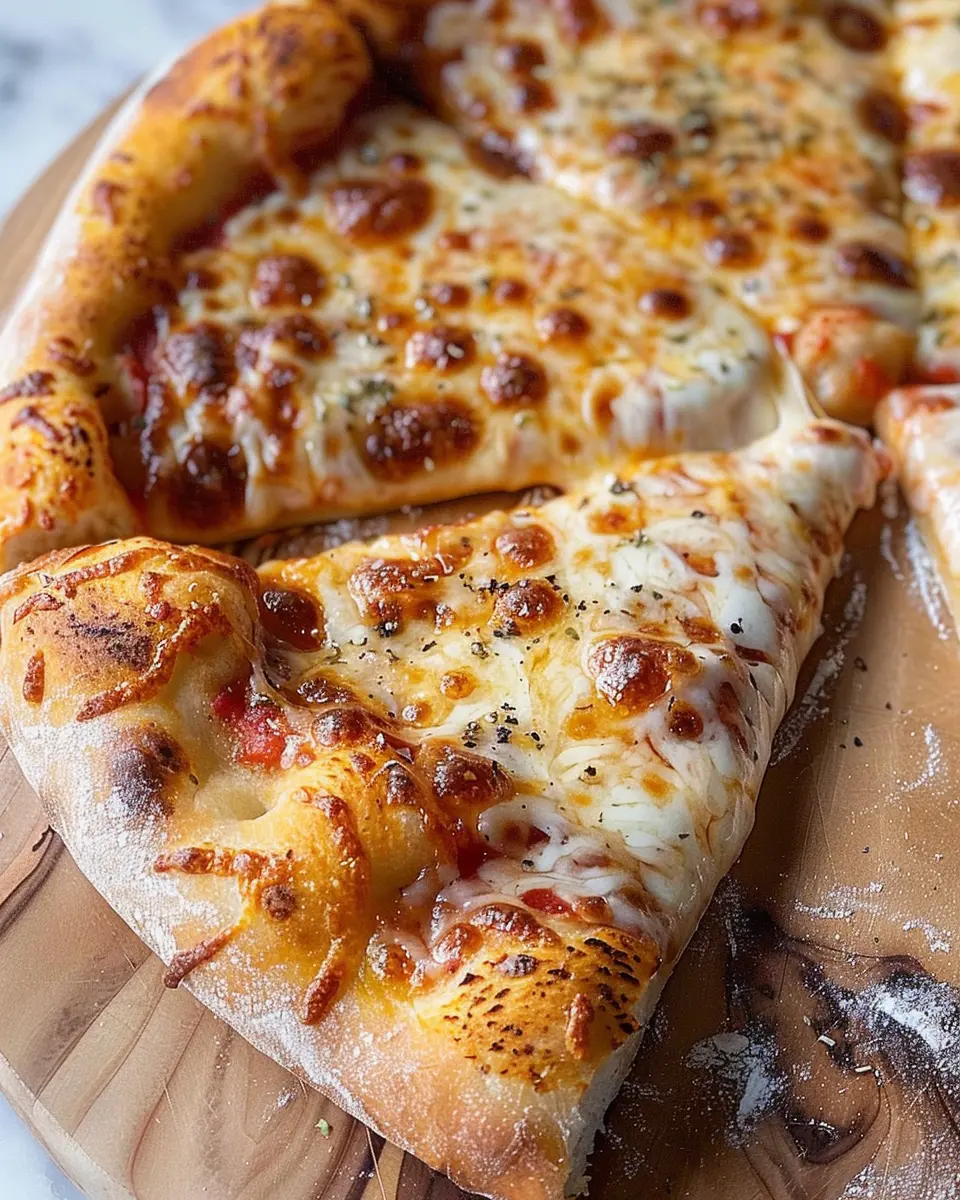
- Bake Time: Slide your topped pizza onto the stone and let it bake for about 10-12 minutes, or until it’s bubbling and nicely browned.
Troubleshooting Common Issues
Not everything goes as planned in cooking, and that’s okay! Here are some common issues with suggestions for resolution:
- Dough Too Sticky: Try adding a little flour during kneading, but remember that a slightly sticky dough is often better than a dry one.
- Soggy Crust: Make sure to pre-bake your crust and not overload on sauce.
- Tough Texture: This might mean over-kneading or using too much flour. A gentle touch goes a long way!
Serving Your Pizza
Nothing beats the satisfaction of slicing into a fresh, homemade pizza.
- Let It Cool: Give it a few minutes before slicing; this helps keep your toppings in place.
- Pairing Suggestions: Serve with a side salad or a refreshing homemade beverage like iced herbal tea or a sparkling lemon soda.
Conclusion
Making your own artisan pizza dough can be rewarding—and so much fun! With a bit of practice, you’ll have a go-to recipe for every pizza night, whether you’re cozying up with yourself or hosting friends. Share your creations with us, and let us know your favorite toppings! Want to explore more pizza-making tips? Check out Serious Eats’ pizza guide for exciting ideas to keep your pizza game strong!
Let’s get cooking! Your pizza journey is just beginning, and the perfect dough is waiting for you. Happy pizza-making!

Introduction to Artisan Pizza Dough
Why Homemade Pizza is Worth the Effort
Creating your own pizza at home might seem like a daunting task, but trust me—it’s a game changer. Imagine pulling a fresh, golden-brown pie out of your oven, complete with a crispy, chewy, and bubbly crust. Not only is homemade pizza superior in taste, but it also gives you the freedom to customize every aspect from toppings to sauces. According to a study by the American Journal of Clinical Nutrition, knowing exactly what goes into your food can lead to healthier eating habits and more mindful choices.
Think about it: you can control the quality of your ingredients, making it not only tastier but often healthier. With just a few basic components like flour, water, salt, and yeast, you can create a foundation for a delightful feast. By opting for homemade, you’re also sidestepping the preservatives found in many pre-packaged or take-out options.
The Joy of Crafting Your Own Artisan Dough
Now, let’s dive into the fun part: making your own artisan pizza dough. There’s something profoundly satisfying about crafting this dough from scratch. It’s a hands-on experience that connects you to your food in a way that simply ordering a pizza never will. As you mix, knead, and watch the dough rise, you’ll feel both accomplished and relaxed—almost like a mini meditation session.
Plus, sharing your culinary creations with friends and family? That’s where the real magic happens. The look on their faces when they take that first bite is priceless.
You’re not just serving pizza—you’re offering an experience, a little slice of your creativity. It can be as simple or as elaborate as you want. If you’re feeling adventurous, explore various flours or even incorporate herbs into your dough. This site offers some fantastic variations you might enjoy.
Embarking on the journey of making your own artisan pizza dough isn’t merely about food; it’s about nurturing your inner chef, building memories, and savoring every bite. So roll up your sleeves and let’s get started on this delicious endeavor!
Ingredients for Artisan Pizza Dough
Essential ingredients you need for the perfect crust
Creating a delicious artisan pizza dough starts with the right ingredients. Here’s what you need:
- All-purpose flour: A high-quality flour provides the necessary gluten structure for that perfect chewy, bubbly crust. You can also explore using bread flour for an extra rise.
- Water: Use lukewarm water to activate the yeast effectively. The temperature matters; too hot can kill the yeast, while too cold won’t activate it properly.
- Yeast: Active dry yeast is a staple. It’s best to check the expiration date to ensure it performs at its best.
- Salt: This enhances flavor and controls yeast fermentation.
- Olive oil: A splash of extra virgin olive oil not only adds richness but also helps with crust texture.
Alternatives to consider for gluten-free and dietary preferences
If you’re looking for a gluten-free option, consider using gluten-free flour blends. Just make sure they’re designed for bread-making, as the protein ratios differ. For those following a vegan diet, simply leave out any dairy and ensure your flour and fats are plant-based. Additionally, if you want to experiment, you could use cauliflower crust or chickpea flour as delightful alternatives.
For more detailed guidance on achieving the best results, check out resources from reputable culinary sites like Serious Eats or King Arthur Baking.
Remember, the journey to the ideal artisan pizza dough is as exciting as the finished product!

Step-by-Step Preparation of Artisan Pizza Dough
Making the perfect artisan pizza dough can feel like a rite of passage for any home cook. This guide will walk you through each step to ensure your crust turns out crispy, chewy, and bubbly. Grab your apron and let’s dive in!
Initial mixing and resting
The journey begins with the basic mixing of your dough components: flour, water, salt, and a touch of yeast. For an artisan touch, you’ll want to use high-quality flour—ideally, bread flour—which has a higher protein content, leading to better gluten development.
- Ingredients:
- 4 cups of bread flour
- 1 ½ cups of lukewarm water
- 2 teaspoons of sea salt
- ½ teaspoon of instant yeast
- In a large bowl, mix these ingredients until they form a shaggy dough. Don’t worry about mixing it perfectly; a little inconsistency is just fine. Once combined, cover the bowl with a damp cloth and let it rest for about 30 minutes. This time is vital as it allows the flour to hydrate properly, which will make subsequent steps easier.
This resting period, often called autolyse, also aids in gluten formation. It’s the subtle magic behind why artisan dough is so satisfying to work with. For more on hydration levels, you can check out resources from King Arthur Baking.
Developing flavor through folding
After your initial rest, it’s time to develop flavor and strength through folding. This technique is comparable to kneading but less intensive—perfect for those who want to keep it simple.
- Folding:
- Wet your hands to prevent sticking and grab one edge of the dough, stretching it up and folding it over the center. Shift to another side and repeat this folding process around four times.
- Let the dough rest for another 20-30 minutes before folding again. Aim for about 3-4 folds in total over a couple of hours.
These folds not only enhance gluten structure but also allow air to enter the dough, which aids in flavor development. This is where science meets art in your artisan pizza dough.
Shaping the dough
Once your dough has risen and is filled with air, it’s time for shaping. This is where the dough takes on a more defined form, perfect for pizza-making.
-
Lightly flour your work surface and gently tip your dough out. Divide it into two or four equal pieces, depending on how large you want your pizzas. Use a bench scraper to make this easier.
-
Gently shape each piece into a round ball by tucking the edges into the center. Allow these rounds to rest for about 10-15 minutes. This short rest will help ease any tension in the gluten.
By shaping and resting, you set yourself up for easier handling when it comes to rolling out your dough later. Remember, patience is key here!
The all-important rise
Now that you’ve shaped your dough, you’ll want to let it rise again, which is crucial for achieving that light and airy crust.
-
Place your dough balls into a well-oiled container, making sure there’s space between them for expansion. Cover the container with plastic wrap.
-
Allow them to rise at room temperature for 1-2 hours. You’re looking for the dough to at least double in size.
The rise is essential for developing that bubbly crust that is the hallmark of artisan pizzas. If you’re curious about fermentation times, Food 52 has great insights on this matter.
Resting and refrigerating for optimum taste
Once your dough has risen, it’s tempting to just start using it right away. But trust me, the flavor develops significantly if you let it rest and refrigerate.
-
After the warm rise, place your dough in the refrigerator for at least 24 hours (and up to 72 hours) before using. This slow fermentation develops complex flavors that you’ll notice in every bite.
-
When you’re ready to make your pizza, simply take the dough out of the fridge and let it warm up for about 30 minutes before stretching.
By allowing your dough to ferment in the fridge, you’re giving it time to build flavor—transforming simple ingredients into something amazing.
With these steps, you’re well on your way to mastering artisan pizza dough! Happy baking!
Variations on Artisan Pizza Dough
Whole Wheat or Alternative Flour Options
If you’re looking to switch things up, consider experimenting with whole wheat flour or other flour alternatives for your artisan pizza dough. Not only does whole wheat add a delightful nuttiness and increase the fiber content, but it can also create a slightly denser crust that many adore. For a gluten-free option, almond flour or gluten-free blends can be excellent substitutes. Just keep in mind that these alternatives often require adjustments in hydration, so don’t be afraid to experiment—cooking is all about finding what works for you!
Flavored Artisan Dough for Added Taste
Why stop at plain when you can enhance your artisan pizza dough with fresh herbs, spices, or even cheese? Imagine how delightful a rosemary-infused dough would taste, or how a sprinkle of garlic powder could elevate your pizza to gourmet status. You might also consider mixing in some grated Parmesan or mozzarella directly into the dough for a cheesy kick.
Here are a few ideas to spark your creativity:
- Herb-Infused Dough: Add fresh basil or oregano to the flour for a fragrant aroma.
- Spicy Twist: Incorporate red pepper flakes for a bit of heat.
- Sweet Touch: Try adding a tablespoon of honey for a subtly sweet flavor that pairs beautifully with savory toppings.
Want to dive deeper into the science of dough flavors? Check out sources like Serious Eats for more on how flavor compounds can enhance your culinary creations. Embrace the fun of crafting your artisan pizza dough and enjoy making it your own!
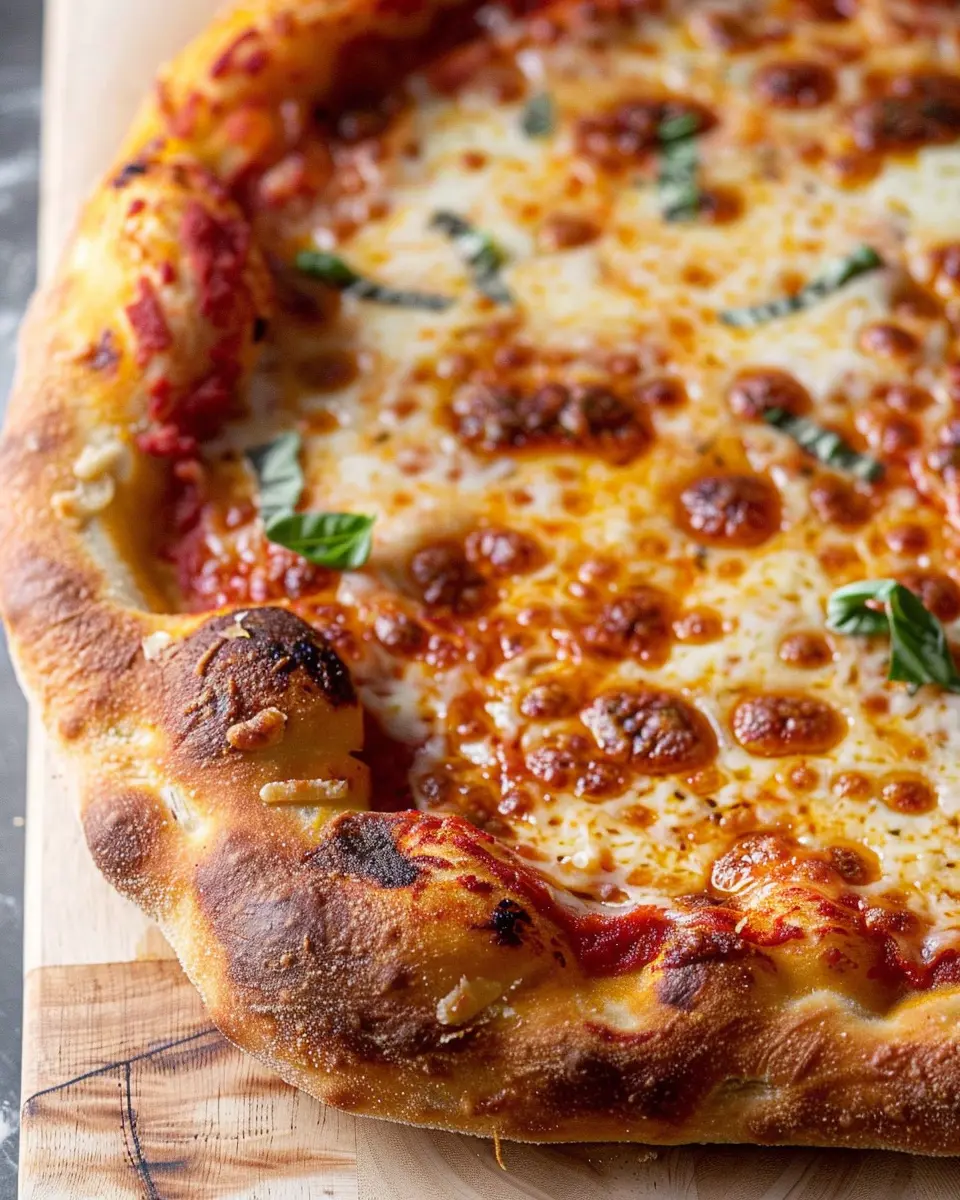
Cooking Tips and Notes for Artisan Pizza Dough
Maintaining Optimal Hydration Levels
When crafting your artisan pizza dough, hydration is key for achieving that desired chewy and bubbly crust. Aim for a hydration level between 60-70%, depending on your flour type. Higher hydration can yield a lighter crust, while lower levels give a denser result. A great trick is to gradually add water to your dough mix, allowing it to absorb fully before adjusting. Want some detailed insights on hydration? Check out this helpful resource for tips from seasoned bakers.
Importance of Temperature for the Perfect Bake
The temperature of both your oven and dough plays a pivotal role in the final product. Preheat your oven to at least 475°F (245°C)—a hot oven helps create that crispy exterior while keeping the inside delightfully chewy. Also, allow your artisan pizza dough to come to room temperature before shaping to enhance elasticity. To ensure even baking, consider using a pizza stone or steel, which retains heat effectively. Interested in the science behind it? You can read more about baking temperatures at Serious Eats.
With these tips in hand, you’re set to impress with your homemade pizza! Happy baking!
Serving Suggestions for Artisan Pizza
Ideal toppings to elevate your artisan pizza experience
When it comes to artisan pizza dough, the right toppings can turn a good pizza into an unforgettable one. Here are some flavorful options to consider:
- Margherita: Classic tomatoes, fresh basil, and a drizzle of olive oil for a light and refreshing bite.
- Turkey Bacon and Spinach: Add crisp turkey bacon and fresh spinach for a delightful crunch and richness.
- Grilled Chicken Ham and Pineapple: Sweet and savory, this combo brings a tropical twist to your pizza night.
- Veggie Medley: Load on colorful bell peppers, onions, sweet corn, and roasted garlic for a vibrant vegetarian option.
Crafting the perfect pie?
Think layering flavors—start with a rich marinara, followed by a blend of cheeses that melt beautifully together.
Best sides to pair with artisan pizza
Enhance your artisan pizza experience by balancing flavors with complementary sides. Here are some crowd-pleasers:
- Garlic Breadsticks: Soft, warm, and perfect for dipping.
- Simple Salad: A fresh mixed greens salad drizzled with balsamic vinaigrette adds a refreshing crunch.
- Roasted Vegetables: Seasonal veggies seasoned and roasted to perfection make a great companion.
- Pasta Salad: A cold side brings a nice contrast to the warm pizza, with flavors melding nicely.
Pairing these sides will complement the crispy, chewy, bubbly crust of your pizza while offering a satisfying meal.
Time Breakdown for Artisan Pizza Dough
Preparation time
Creating your artisan pizza dough starts with about 15-20 minutes of preparation. This includes mixing the ingredients and kneading the dough until it’s smooth and elastic. Don’t rush through this; the texture you create now will influence the final result!
Rising time
Next up is the rising time, which is crucial for developing flavor. Let your dough rest for at least 1 to 2 hours at room temperature. If you’re really committed, consider giving it an overnight rise in the fridge for a richer taste.
Baking time
When it’s finally time to bake, preheat your oven to a hot 475°F (245°C) and bake your pizza for about 10-12 minutes. You want that crust to be golden and crispy, so keep an eye on it!
Total time
So, in total, you’re looking at approximately 2-3 hours from start to finish, depending on your rising time. The wait will be worth it when you enjoy that first slice of deliciousness! For more insights on dough textures and flavors, check out this comprehensive guide on pizza making.
Nutritional Facts of Artisan Pizza Dough
Calories per Serving
When indulging in a slice of artisan pizza dough, it’s good to have an idea of what your body is taking in. On average, one serving of this delightful dough contains about 200 calories. Whether you’re on a weeknight pizza spree or planning a weekend dinner with friends, knowing your caloric intake can help you enjoy your meals more mindfully.
Nutritional Breakdown of Key Ingredients
Understanding the nutritional content of your artisan pizza dough makes it easier to appreciate its delicious simplicity. Here’s a quick glance at the primary components:
- Flour: The backbone of any pizza dough, providing carbs that fuel your energy levels. Opt for whole wheat flour to boost fiber content!
- Water: Essential for hydration and helps activate the yeast, contributing to that perfect bubble and chew.
- Yeast: A tiny powerhouse that not only aids in rising but also adds some B vitamins.
- Olive Oil: This enhances flavor and moisture, packed with healthy fats that are good for your heart when enjoyed in moderation.
For more detailed insights on nutritional values, consider checking out resources such as the USDA FoodData Central which offers extensive data.
By paying a bit of attention to these values, you can savor your homemade pizza while being aware of your nutritional choices. What’s not to love about a indulgent homemade pizza that can be part of a balanced diet? Enjoy crafting that crispy, chewy, bubbly crust you’ve been dreaming about!
FAQs about Artisan Pizza Dough
Crafting the perfect artisan pizza dough can yield a truly satisfying pie, but it’s common to have questions along the way. Let’s address some of the most frequently asked questions to help you achieve that crispy, chewy, bubbly crust you’ve been dreaming of.
What’s the secret to a crispy crust?
Achieving that ideal crispy crust boils down to a few key techniques:
- Preheat your oven: Make sure it’s super hot! A temperature of around 475°F to 500°F helps create steam, which is crucial for a bubbly crust.
- Use a pizza stone or steel: These tools retain heat exceptionally well, enhancing bottom crust crispiness. If you don’t have one, baking on an inverted baking sheet can also work.
- Hydration level: A wetter dough can create a crunchier crust—don’t shy away from a little extra water in your artisan pizza dough!
For more tips, consider checking out these oven techniques from Serious Eats.
Can I freeze leftover dough for later use?
Absolutely! Freezing leftover artisan pizza dough is a fantastic way to save time. Just follow these steps:
- Divide your dough into individual portions.
- Wrap each portion tightly in plastic wrap and place them in a freezer-safe bag or container.
- When you’re ready to use it, simply thaw it in the fridge overnight and let it come to room temperature before stretching.
How can I adjust the recipe for smaller portions?
If making a bit less dough suits your needs better, you can easily scale down the recipe. Just:
- Reduce each ingredient by half or even a quarter, depending on how much dough you need.
- Keep the ratios consistent to maintain the dough’s texture and flavor.
A smaller batch can be just as delicious, allowing you to enjoy that artisan experience without excess! Happy baking!
Conclusion on Artisan Pizza Dough
Making your own artisan pizza dough is not just a culinary task; it’s an invitation to creativity in the kitchen. Picture this: you, at home, crafting a crispy, chewy, bubbly crust that rivals your favorite pizzeria! There’s something undeniably satisfying about kneading the dough by hand, letting it rise, and then turning it into a personal masterpiece.
If you’ve never tried making dough from scratch, now is the perfect time! It can be a fun weekend project to share with friends or a relaxing solo endeavor. So roll up your sleeves, grab some flour, and enjoy the delicious journey of creating your own artisan pizza dough. You won’t regret it!
For a great guide on the science behind dough making, check out Serious Eats.
Printartisan pizza dough recipe for a crispy, chewy, bubbly crust

Learn how to make artisan pizza dough that delivers a crispy, chewy, and bubbly crust, perfect for your homemade pizzas.
- Prep Time: 20 minutes
- Cook Time: 15 minutes
- Total Time: 2 hours 35 minutes
- Yield: 2 large pizzas
- Category: Pizza
- Method: Baking
- Cuisine: Italian
- Diet: Vegetarian
Ingredients
- 4 cups all-purpose flour
- 1 ½ cups warm water
- 2 teaspoons active dry yeast
- 2 teaspoons salt
- 1 tablespoon olive oil
Instructions
- In a large bowl, combine warm water and yeast. Let it sit for 5 minutes until foamy.
- Add flour and salt to the yeast mixture, then stir until it forms a dough.
- Knead the dough on a floured surface for about 10 minutes until smooth.
- Place the dough in a greased bowl, cover, and let it rise for 1-2 hours until doubled in size.
- Preheat your oven to the highest setting. Shape the dough into pizzas and add desired toppings.
- Bake for 10-15 minutes until the crust is golden and bubbly.
Notes
- For a more flavorful crust, let the dough rest in the fridge for 24 hours before using.
Nutrition
- Serving Size: 1 slice
- Calories: 280
- Sugar: 0 grams
- Sodium: 350 mg
- Fat: 5 grams
- Saturated Fat: 0.5 grams
- Unsaturated Fat: 2 grams
- Trans Fat: 0 grams
- Carbohydrates: 54 grams
- Fiber: 2 grams
- Protein: 8 grams
- Cholesterol: 0 mg