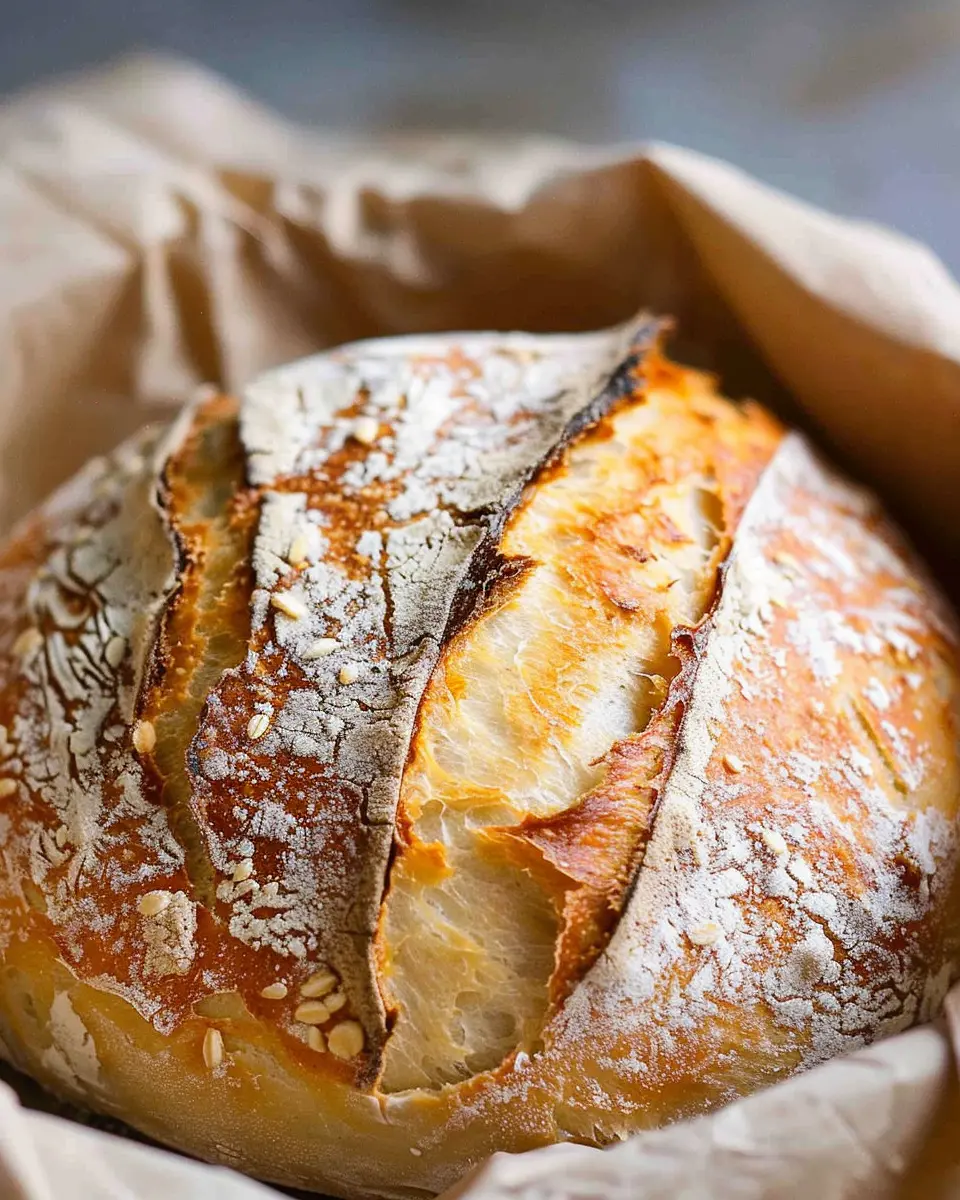
Introduction to the Best Ever Sourdough Bread Recipe
When it comes to baking, nothing quite compares to the satisfaction of pulling a loaf of homemade sourdough bread from the oven. This best ever sourdough bread recipe will not only elevate your culinary skills but will also transform your kitchen into a warm haven that fills your home with an irresistible aroma. Have you ever tasted bread that’s crunchy on the outside while being perfectly soft on the inside? That’s the magic of sourdough — a game changer for both taste and texture.
Why Homemade Sourdough Bread is a Game Changer
Imagine serving your friends and family freshly baked sourdough at dinner. Not only will they be amazed at your baking prowess, but you’ll also be gifting them a slice of pure comfort. Baking sourdough is an art and a science; it connects us with our kitchen and the ingredients we use. According to a study by the Food and Agriculture Organization (FAO), making your own bread can be healthier and more satisfying than store-bought options.
Here are a few reasons why embracing homemade sourdough is worth your time:
- Control Over Ingredients: You choose what goes in your bread, ensuring quality and avoiding preservatives.
- Health Benefits: Sourdough fermentation breaks down gluten and enhances nutrient absorption, making it easier for your body to digest. This is especially beneficial for gluten-sensitive individuals!
- Cost-Effective: Old bread can be expensive, and store-bought versions often lack flavor. Making your own can be a more economical choice while providing a superior taste.
- Culinary Creativity: Once you master this best ever sourdough bread recipe, let your imagination run wild! Play with flavors by incorporating herbs, grains, or even nuts.
So, why not take the plunge and create something delicious? The journey to baking your best ever sourdough bread can be as rewarding as the end result. Ready to dive in? Let’s explore the step-by-step process that transforms simple ingredients into a loaf of love.
If you want to dive deeper into the world of baking, sources like King Arthur Baking offer fantastic resources and tips to help you along the way. Your sourdough adventure awaits!
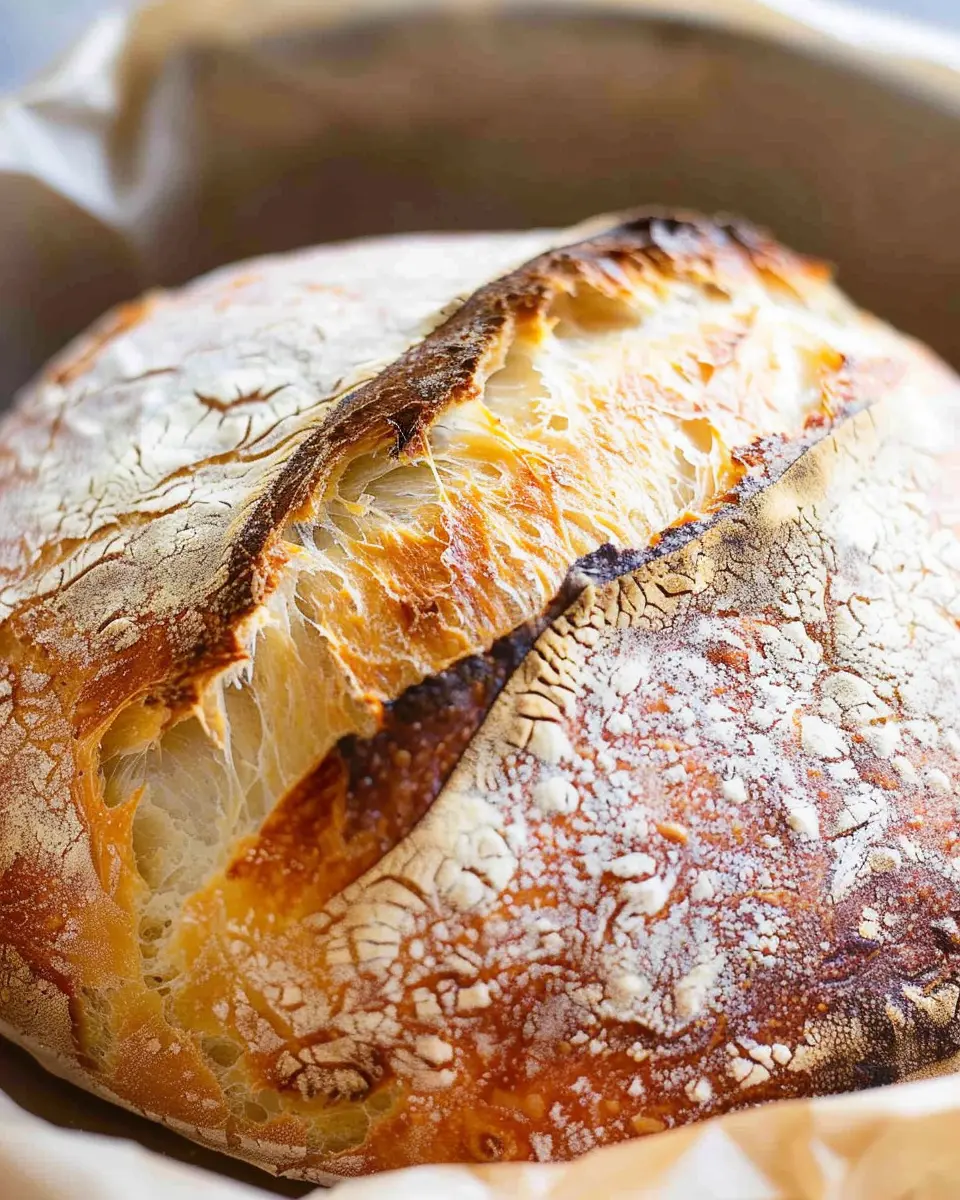
Ingredients for the Best Ever Sourdough Bread
Essential ingredients you’ll need
To create the best ever sourdough bread, you’ll need just a few key ingredients to ensure that delightful flavor and texture. Here’s what you’ll want to gather before diving in:
- Sourdough starter: Your main leavening agent, full of natural yeast and friendly bacteria. It’s the heart of your bread!
- Bread flour: This provides the right protein content to form a well-structured loaf. You can also mix in some whole wheat flour for added flavor.
- Water: Use filtered or bottled water if possible, as chlorine can hinder the fermentation process.
- Salt: Essential for flavor, salt also helps control enzyme activity in the dough.
Importance of fresh ingredients
Using fresh ingredients is crucial for achieving that signature sourdough taste. Fresh flour impacts gluten development, while a well-maintained starter enhances your bread’s rise and tanginess. Trust me; a little extra effort in sourcing top-notch ingredients will yield a loaf that’s well worth the wait. If you’re curious about the science behind sourdough or looking to elevate your baking skills, consider checking out resources from the King Arthur Baking Company or the Sourdough School. Happy baking!
Step-by-Step Preparation of Sourdough Bread
Making sourdough bread at home can be a rewarding experience, transforming simple ingredients into something delicious. Let’s walk through this best ever sourdough bread recipe, ensuring that you feel confident and inspired every step of the way.
Building Your Sourdough Starter
Your journey begins with creating a sourdough starter. This magical mix of flour, water, and wild yeast is what gives sourdough its unique flavor and texture.
- In a clean glass jar, combine equal parts of all-purpose flour and lukewarm water—start with ¼ cup of each.
- Stir until smooth and cover loosely with a cloth to allow air circulation.
- Let it sit at room temperature (about 70°F) for 24 hours.
- Daily, feed the starter with equal parts flour and water until it becomes bubbly and doubles in size every 4-6 hours. This usually takes about 5-7 days.
Besides being the heart of your sourdough bread, nurturing your starter can be quite gratifying—watching it flourish is like an exercise in patience and love. For more detailed starter care, check out King Arthur Baking’s Starter Guide.
Mixing the Dough
Once your starter is ready, it’s time to mingle it with the rest of your ingredients. In a large mixing bowl, combine:
- 1 cup of mature sourdough starter
- 1½ cups of lukewarm water
- 4 cups of bread flour
- 1 teaspoon of salt
Mix everything together until a shaggy dough forms. You don’t need to knead just yet; the goal here is simply to combine your ingredients, introducing the fermentation process early on.
First Rise – The Fermentation Process
Cover the bowl with a damp cloth and let it rest at room temperature for 4-12 hours, depending on the warmth of your environment. This period enables the dough to ferment, developing its characteristic tangy flavor.
During this first rise, you may notice bubbles forming, indicating that the wild yeast is doing its job. If you’re not sure when to move on, look for the dough to have roughly doubled in size.
Shaping the Dough
After the first rise, it’s time to shape your dough. Lightly flour your working surface and gently turn out the dough.
- With floured hands, fold the dough over itself a couple of times to create some tension.
- Form it into a round shape, being careful not to deflate it too much.
Shaping is an art, and practice makes perfect. The key is to maintain the dough’s structure while getting that beautiful, round shape we all admire in artisan sourdough bread.
The Second Rise – Proofing the Dough
Now for the second rise. Place your shaped dough seam-side down in a well-floured proofing basket or bowl. Cover it with a cloth and let it rise again for about 1-3 hours or until it has visibly puffed up.
For additional flavor, you can also experiment with a cold retard in the refrigerator for an overnight rise, allowing the dough to deepen its complexity.
Baking the Sourdough Bread
Preheat your oven to 450°F and place a Dutch oven inside to heat up for about 30 minutes. The Dutch oven mimics a professional steam-injected oven, giving your bread that lovely crust.
Once preheated, carefully remove the Dutch oven, uncover your proofed dough, and gently place it inside.
- Optional: Score the top with a sharp knife to allow for expansion.
- Cover and bake for 30 minutes, then remove the lid and bake for an additional 15-20 minutes until golden brown.
When done, let your bread cool on a wire rack—this is where the magic happens, and the aroma envelops your kitchen, promising delicious slices soon!
By following these steps, you are not just baking bread but embarking on a culinary adventure. There’s something undeniably satisfying about sharing a loaf of homemade sourdough with friends — it may just be your new favorite hobby!
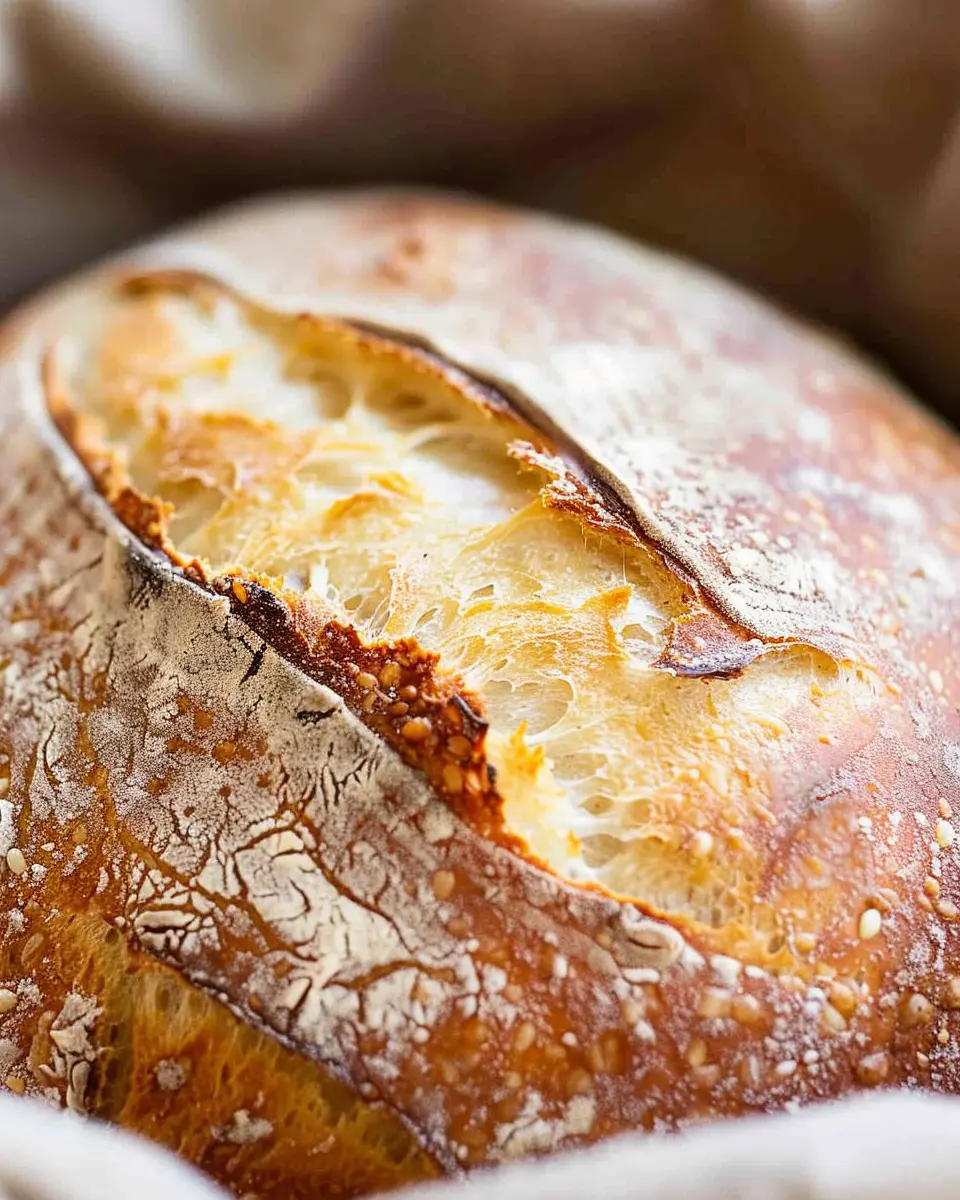
Variations on the Best Ever Sourdough Bread
Sourdough bread is undeniably versatile, and once you’ve mastered the best ever sourdough bread recipe, you can easily experiment with delightful variations that suit your taste. Let’s dive into a couple of my favorites!
Whole Grain Sourdough Bread
Incorporating whole grains can not only enhance the flavor but also boost the nutritional value of your sourdough. To make a delicious whole grain sourdough bread, simply substitute half of the white flour in your recipe with whole wheat or spelt flour.
- Texture: Expect a denser loaf with a nutty flavor.
- Tip: Consider adding seeds, like sunflower or flaxseed, for added crunch and health benefits.
- Hydration: You might need to increase the water slightly as whole grain flour absorbs more moisture.
Whole grains are known to provide more fiber and nutrients than their white counterparts. According to the Whole Grains Council, they contribute to heart health and can lower the risk of chronic diseases.
Herb-Infused Sourdough Bread
If you want to elevate your sourdough game, why not try an herb-infused sourdough bread? The combination of fresh or dried herbs can add incredible depth to your bread.
- Herbs to Try: Rosemary, thyme, or even basil can transform your loaf.
- When to Add: Mix the herbs into the dough during the kneading process to ensure even distribution.
- Flavor Boost: For an aromatic touch, consider infusing your water with herbs before adding it to the sourdough starter.
This herbal addition not only makes the bread smell divine but also pairs perfectly with soups or as a side for a hearty meal. Imagine dipping a slice in olive oil or enjoying it alongside a fragrant roasted chicken!
Experiment with these variations and discover how this best ever sourdough bread recipe can become your canvas for culinary creativity. Happy baking!
Cooking Tips and Notes for Sourdough Bread
Common Troubleshooting Tips
Sourdough can be a bit finicky, but don’t let that discourage you! If your best ever sourdough bread recipe doesn’t rise as expected, check your starter’s activity. It should be bubbly and have a pleasant, slightly tangy smell. If it’s sluggish, try feeding it more frequently or at warmer temperatures.
For a dense loaf, ensure you’re kneading adequately to develop the gluten, or give the dough extended proofing time. Remember, it might also be a humidity factor—your kitchen conditions can dramatically impact the dough.
Best Practices for Sourdough Success
To nail your sourdough every time:
- Temperature control: Keep your dough in a warm place for optimal fermentation.
- Hydration levels: Experiment with water amounts to achieve the desired dough consistency—it can make a flavorful difference!
- Measurements: Use a kitchen scale for precision to consistently replicate your results.
Do you have any favorite tips or tricks for baking sourdough? Share your experiences and let’s make the best ever sourdough bread recipe even better together! For more expert tips, check out resources like King Arthur Baking and The Perfect Loaf.
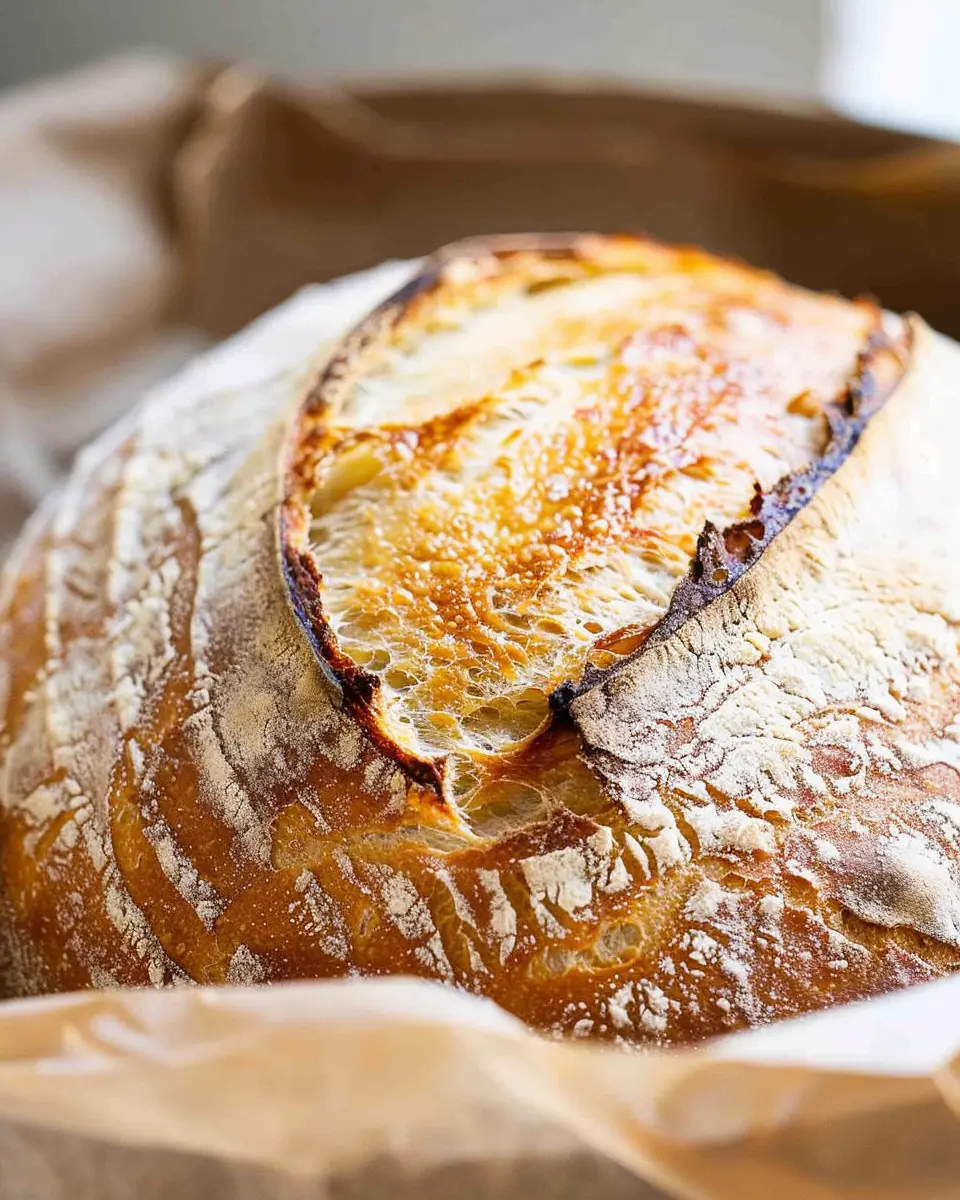
Serving Suggestions for Sourdough Bread
Pairings for sourdough – What to serve it with
There’s something undeniably delightful about freshly baked sourdough. With its tangy flavor and crispy crust, it pairs beautifully with a variety of toppings. For a classic option, spread some creamy avocado and sprinkle it with sea salt and chili flakes for a delicious breakfast or snack. If you’re in the mood for something heartier, try layering your best ever sourdough bread recipe with sliced turkey bacon, a slice of chicken ham, and a hint of Dijon mustard. Don’t forget the timeless combo of butter and jam, or a rich cheese spread paired with fresh herbs and vegetables!
Creative ways to use leftover sourdough
Got leftovers? No problem! Transform your stale sourdough into a scrumptious bread pudding or crunchy croutons to elevate your salads. Alternatively, blend it into breadcrumbs for a savory coating on your favorite proteins or vegetables. Feeling adventurous? A sourdough pizza crust could be the unexpected dinner twist that everyone loves. The options are endless, and you’ll be surprised at how this versatile bread can shine in multiple dishes. For more ideas, check out sources like The Kitchn.
Time Breakdown for Making Sourdough Bread
Preparation time
To kick off your journey with the best ever sourdough bread recipe, you’ll spend about 30 minutes getting your ingredients measured, mixing your dough, and preparing your workspace. It’s a fun, hands-on process—perfect for unwinding after a long day!
Rising time
The rising time is where the magic happens. Expect to set aside around 4 to 8 hours for the dough to rise, depending on your kitchen’s temperature. I usually let mine rise overnight; waking up to that delightful aroma is unbeatable!
Baking time
When it’s showtime, you’ll need about 30 to 45 minutes to bake your bread. Preheat your oven and let your sourdough bake to golden perfection.
Total time
In total, you’re looking at approximately 5 to 9 hours from start to finish. This might seem like a long time, but remember, most of that is hands-off waiting. The delight of pulling out perfectly crusted sourdough? Absolutely worth it! If you’re curious about additional techniques, you can check out this resource on bread-making basics.
Nutritional Facts for Sourdough Bread
Sourdough bread is not just delicious; it also boasts impressive nutritional credentials. Let’s break down what you can expect from a slice of this artisanal delight.
Caloric content
One slice of sourdough bread typically contains about 70-80 calories, depending on the thickness and ingredients used. This makes it a great choice for both fun toast toppings or as a sandwich base without spiraling your calorie count.
Protein and fiber
Packed with protein and fiber, sourdough bread contributes significantly to your daily intake. A slice can provide around 3 grams of protein and 1 gram of fiber, both essential for maintaining muscle and promoting digestive health.
Other nutritional benefits
What makes this bread stand out is its probiotic benefits stemming from the fermentation process. Sourdough can help improve gut health and enhance mineral absorption, making it a far better option compared to many store-bought breads. Curious to dive deeper? Check out detailed studies on the health benefits of fermented foods to expand your knowledge!
Whether you’re following the best ever sourdough bread recipe for a hearty breakfast or a sandwich, knowing its nutritional benefits makes your meal even more satisfying.
FAQs about Sourdough Bread
When baking your best ever sourdough bread recipe, you might have a few questions on your mind. Here are some common FAQs to help you navigate your sourdough journey.
What’s the best way to store sourdough bread?
To keep your sourdough bread fresh, the best method is to store it at room temperature in a paper bag. This allows the bread to breathe and maintain its crust. If you want to keep it longer, slice it and place it in a resealable plastic bag before freezing. Just remember to wrap it tightly to prevent freezer burn. When you’re ready, simply toast or let it thaw to enjoy that freshly baked taste again.
Can I use all-purpose flour instead of bread flour?
Absolutely! While bread flour is ideal for its higher protein content, all-purpose flour can work in your best ever sourdough bread recipe. Just be aware that the texture may be a tad less chewy, as it won’t have the same gluten strength. Some bakers even enjoy the unique flavor that all-purpose flour adds.
How do I know my sourdough starter is ready?
Your sourdough starter is ready when it has doubled in size within 4 to 6 hours after feeding, and shows plenty of bubbles on the surface and throughout. Additionally, a pleasant, slightly tangy smell is a good sign. If you’re unsure, try the “float test”: drop a small spoonful of starter in a glass of water; if it floats, you’re good to go! This step is crucial for a successful rise in your best ever sourdough bread recipe.
Feel free to explore more about sourdough starters or the science behind bread making in resources like King Arthur Baking or The Bread Lab. Happy baking!
Conclusion on the Best Ever Sourdough Bread Recipe
Baking sourdough at home is not just about creating delicious bread; it’s an experience filled with anticipation and joy. There’s nothing quite like the smell of freshly baked sourdough wafting through your home, a testament to your efforts and patience. Using our best ever sourdough bread recipe, you’ll develop a connection to the process, from nurturing your starter to shaping the dough.
Embrace the art of sourdough and share it with friends and family. Want some inspiration? Check out the baking community on platforms like The Fresh Loaf to connect with fellow enthusiasts. Happy baking!
PrintBest Ever Sourdough Bread Recipe for Irresistibly Fresh Loaves

Discover the secrets to making the best ever sourdough bread that is irresistibly fresh and flavorful.
- Prep Time: 30 minutes
- Cook Time: 45 minutes
- Total Time: 6 hours
- Yield: 1 loaf
- Category: Bread
- Method: Baking
- Cuisine: American
- Diet: Vegetarian
Ingredients
- 500 grams bread flour
- 350 grams water
- 100 grams active sourdough starter
- 10 grams salt
Instructions
- In a large bowl, mix the flour and water until no dry flour remains. Cover and let rest for 30 minutes.
- Add the sourdough starter and salt to the dough, mixing until well combined.
- Let the dough rise at room temperature for 4-6 hours, folding it every hour.
- Shape the dough and place it into a banneton. Cover and let rise for 2-3 hours.
- Preheat the oven to 450°F (230°C) with a Dutch oven inside.
- Carefully transfer the dough to the hot Dutch oven and score the top.
- Cover and bake for 30 minutes, then uncover and bake for an additional 15 minutes until golden brown.
Notes
- Ensure your sourdough starter is active before using.
- Experiment with different types of flour for unique flavors.
Nutrition
- Serving Size: 1 slice
- Calories: 200
- Sugar: 0.5 grams
- Sodium: 420 milligrams
- Fat: 1 gram
- Saturated Fat: 0 grams
- Unsaturated Fat: 0.5 grams
- Trans Fat: 0 grams
- Carbohydrates: 40 grams
- Fiber: 2 grams
- Protein: 6 grams
- Cholesterol: 0 milligrams