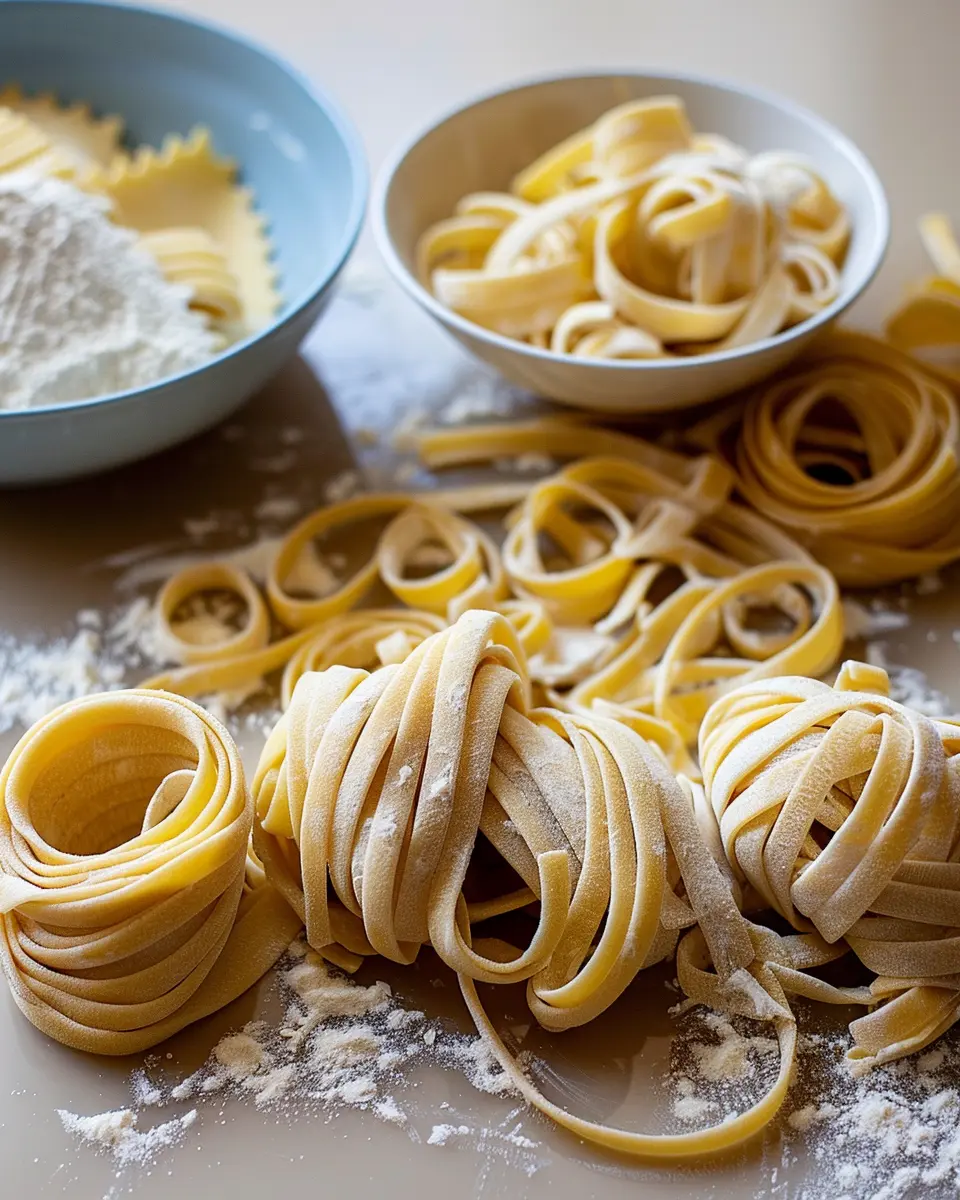
Why Homemade Pasta? The Joy of Creation
There’s something irresistibly charming about how to make homemade pasta. It’s more than just a meal; it’s a delightful process that connects you with the food you’re preparing. Imagine the satisfaction of rolling out fresh dough, transforming simple ingredients into a culinary masterpiece right in your kitchen. According to a study by the American Association of Cooks, homemade meals not only taste better, but they also create lasting memories that enhance our dining experiences.
Making pasta from scratch can seem intimidating at first, but it’s surprisingly easy and quite rewarding. The beauty of homemade pasta lies in its versatility. You can experiment with various flavors, shapes, and sizes, tailoring it to your dish or whim. From classic spaghetti to delicate ravioli, the options are endless.
Gather Your Ingredients
To get started, you’ll need just a few basic ingredients:
- 2 cups of all-purpose flour (plus more for dusting)
- 3 large eggs
- A pinch of salt
Feel free to explore variations, such as using whole wheat flour for a bit of nuttiness or adding spinach for a vibrant green color. For even more inspiration, check out Serious Eats for creative twists on pasta.
The Process: Simple and Fun
Once you have your ingredients, it’s time to dive in. Here’s how to make homemade pasta in just a few steps:
-
Make the Dough: On a clean surface, form a mound with your flour, creating a well in the center. Add the eggs and salt, and mix together using a fork until combined.
-
Knead the Dough: Once the mixture forms a cohesive mass, knead it for about 8-10 minutes until smooth. This is where the magic happens—it transforms into a silky dough!
-
Rest: Wrap the dough in plastic wrap and let it rest at room temperature for at least 30 minutes. This step is crucial for developing the gluten that gives pasta its structure.
-
Roll and Cut: After resting, roll out your dough (using a pasta machine or rolling pin) to your desired thickness. Cut it into your favorite shapes.
By the end of this process, you won’t just have delicious pasta; you’ll have made a memory. So, gather your friends or family, and make it a fun cooking night! Experimenting in the kitchen has never been easier or more rewarding. And when you finally taste that fresh pasta, trust me, you’ll agree that it’s worth every effort.
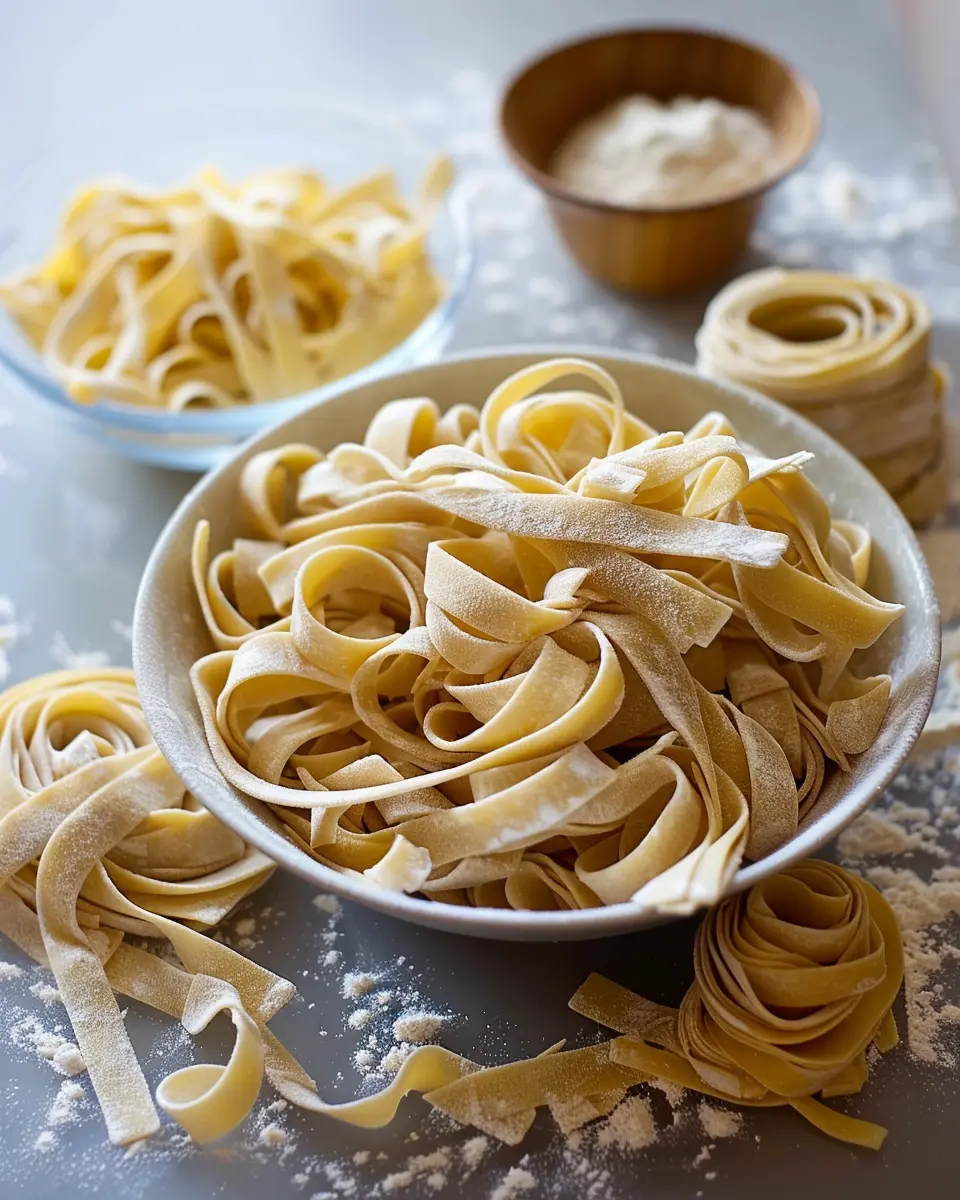
Ingredients for Homemade Pasta
When you’re diving into how to make homemade pasta, having the right ingredients is key to achieving that perfect texture and flavor. Let’s break it down into essentials and optional additions.
Essential ingredients you’ll need
To get started on your pasta-making adventure, here are the must-have ingredients:
- All-purpose flour: This is your primary ingredient. You can substitute with 00 flour if you want a finer texture.
- Eggs: Fresh large eggs provide richness and elasticity. Typically, about one egg per 100g of flour works well.
- Salt: Just a pinch to enhance flavor and strengthen the dough.
These simple ingredients create a base that’s both versatile and delicious, ideal for a wide range of pasta dishes.
Optional ingredients for enhanced flavor
Want to give your homemade pasta an extra kick? Consider these optional ingredients:
- Semolina flour: Mixing it with all-purpose flour gives a nice bite to the pasta.
- Olive oil: Adding a tablespoon improves the dough’s texture and adds richness.
- Fresh herbs: Incorporating herbs like basil or parsley can infuse additional flavor directly into the noodles.
With these tips, you’re well on your way to mastering how to make homemade pasta that will impress your friends and family. For more insights on pasta-making, check out resources like Serious Eats or BBC Good Food. Happy cooking!
Step-by-Step Preparation for Homemade Pasta
Making homemade pasta may sound daunting, but with a little patience and practice, it can be a highly rewarding experience. This guide will walk you through each step, ensuring that you feel confident in how to make homemade pasta like a pro. Let’s dive in!
Set Up Your Workspace
Before you begin, take a moment to prepare your workspace. A clean and spacious area is essential for working with dough. Here are a few tips to organize:
- Clear off your countertops and have your tools within reach: a large mixing bowl, a rolling pin, and a sharp knife or pasta cutter.
- Gather your ingredients: all-purpose flour, eggs, salt, and a splash of olive oil.
- Consider laying down a clean kitchen towel to catch any flour spills.
This simple prep will streamline the cooking process and keep you focused on creating delicious pasta.
Create Your Flour Well
Now it’s time to make the flour well that will hold your ingredients. On your clean countertop or in a large bowl, pile about 2 cups of flour, then make a deep well in the center. Think of it as creating a little flour volcano!
This method is both traditional and effective, allowing easy incorporation of the eggs. If you like, you can use a mix of semolina flour and all-purpose flour for added texture—many chefs swear by this!
Mix in the Eggs and Form a Dough
Crack your eggs into the well and sprinkle a pinch of salt. Using a fork, gently beat the eggs, gradually incorporating the flour from the edges of the well. This is where it starts to get messy and fun!
Once the mixture comes together, use your hands to knead the dough. You want to achieve a cohesive, slightly tacky ball. If it’s too sticky, don’t hesitate to sprinkle a bit more flour on your hands and the surface.
Knead and Develop the Gluten
Kneading is a crucial step in making homemade pasta. This process helps develop gluten, giving your pasta that perfect al dente bite. Here’s how to do it:
- Flour your surface lightly and lay the dough on it.
- Fold the dough in half and push it down with the heel of your hand.
- Rotate the dough a quarter turn and repeat for about 8-10 minutes until it becomes smooth and elastic.
Pro tip: The dough should spring back when you press it gently with your finger. If it doesn’t, give it a bit more love with your hands.
Resting the Dough for Optimal Texture
Once your dough is well-kneaded, wrap it in plastic wrap or cover it with a kitchen towel. Allow it to rest for at least 30 minutes at room temperature. This resting period relaxes the gluten, making your dough easier to roll out later on.
While you wait, why not browse some pasta sauce recipes to pair with your fresh creation? Check out this classic marinara sauce recipe for some inspiration.
Roll Out the Dough Thinly
After the dough has rested, it’s time to roll it out. Divide it into manageable portions, keeping the pieces you’re not using covered to prevent drying. Using a rolling pin, roll each portion into a thin sheet—aim for about 1/16 inch thickness. If you have a pasta machine, this is where it shines for achieving uniform thickness!
Cutting Your Favorite Pasta Shapes
You can create your desired pasta shape from your rolled-out dough. Try these popular options:
- Tagliatelle: Roll the sheet and cut it into strips.
- Ravioli: Cut into squares and fill with your favorite stuffing—perhaps a ricotta or spinach mix?
- Fettuccine: Simply cut wider strips for a hearty pasta.
Cooking Fresh Pasta Perfectly
Cooking homemade pasta is a breeze, as it only requires a few minutes in boiling salted water. Look for it to float to the top, indicating it’s done. Toss in a little olive oil to prevent sticking, then serve with your chosen sauce!
In just a few easy steps, you’ve learned how to make homemade pasta that will impress any dinner guest—your friends and family won’t believe it’s homemade. Enjoy the satisfaction of creating something delicious from scratch, and remember that practice makes perfect in the kitchen!
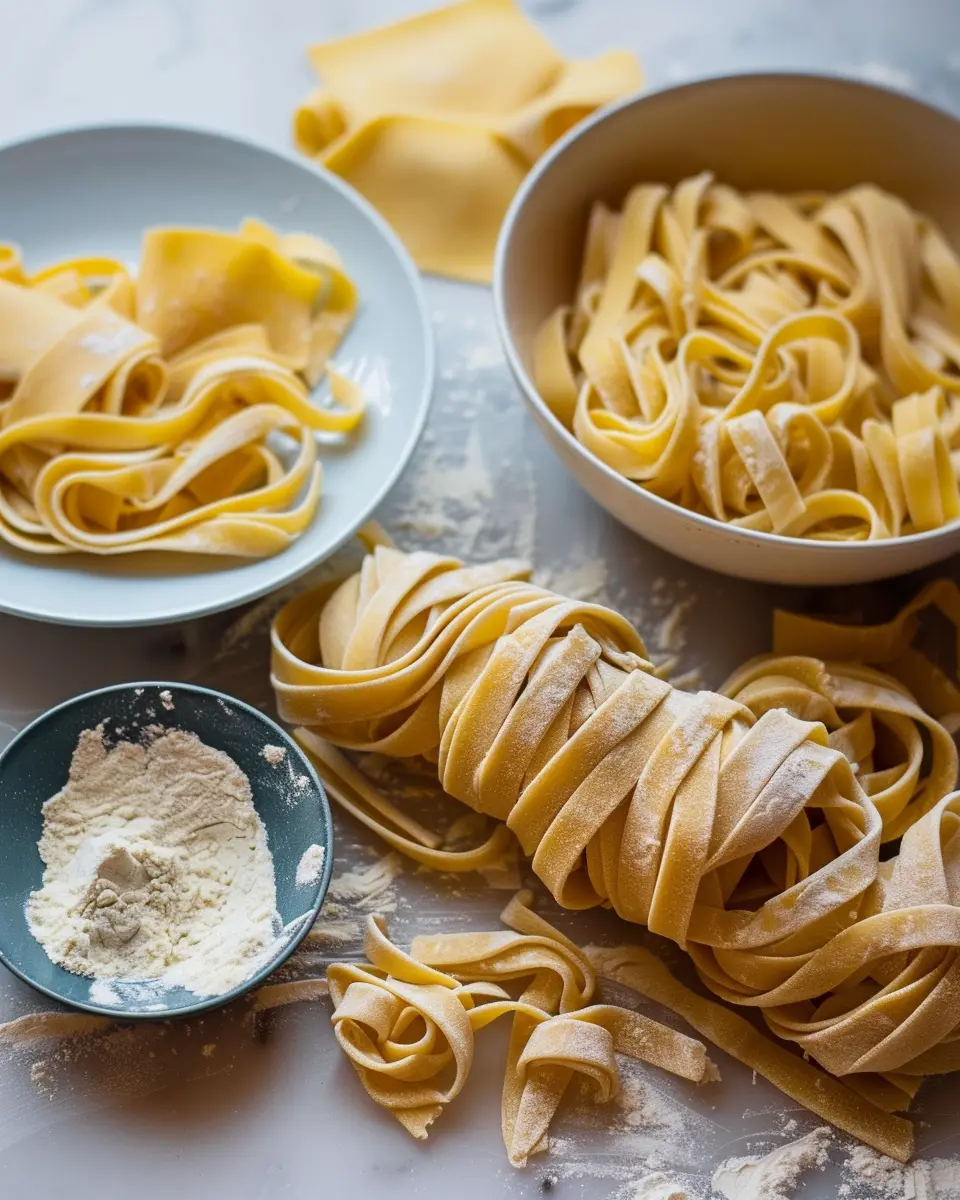
Variations on Homemade Pasta
Making homemade pasta is a delightful experience, and there are several variations you can try to switch things up and impress your taste buds!
Spinach Pasta for a Vibrant Color
Why not add a splash of color to your plate? Spinach pasta is not only visually appealing, but it also packs a nutritional punch. To create this lush green dough, incorporate fresh spinach into your recipe. Start by blanching a handful of spinach leaves in boiling water for about one minute. Drain and blend the spinach with a couple of large eggs, then mix this flavorful puree with your flour mixture. The result? A vibrant pasta that’s high in vitamins A and K, making it a healthier option for your meals. Pair it with a light garlic and olive oil sauce or a creamy alfredo for a delectable dish! Interested in more ideas? Check out this guide on infused pasta to explore additional flavors.
Whole Wheat Pasta for a Healthier Choice
Looking for a more wholesome alternative? Whole wheat pasta is the way to go. It has a nuttier taste and a chewier texture compared to its regular counterpart. When you learn how to make homemade pasta with whole wheat flour, simply replace the all-purpose flour in your recipe with whole wheat. You might need to slightly adjust the water as whole wheat absorbs more moisture. This rich pasta can be paired beautifully with hearty sauces like marinara or a chunky vegetable ragù. Not only does it provide more fiber, but it also helps keep you feeling full longer. Want to dive deeper into the benefits of whole grains? Check out this nutrition article for more insights!
In summary, experimenting with different types of pasta can elevate your cooking game while catering to various dietary preferences. The best part? It’s all about personalizing your pasta experience!
Cooking Tips and Notes for Homemade Pasta
The Importance of Dough Consistency
When learning how to make homemade pasta, achieving the right dough consistency is crucial. Your dough should be smooth and elastic, feeling a bit like a baby’s bottom! If it’s too dry, add a few drops of water; if it’s too sticky, a sprinkle of flour will do the trick. It’s all about finding that perfect balance, so be patient and trust your instincts.
How to Troubleshoot Common Issues
Even the most seasoned cooks can face pasta woes. Here are a few common issues and solutions:
- Dough that tears easily: This usually means it’s too dry. Knead in a bit more water until you achieve a supple texture.
- Pasta that sticks together: Toss it with a light dusting of flour or semolina before cooking to keep it separated.
If you want more tips on homemade pasta techniques, check out this helpful resource. Remember, practice makes perfect, and don’t hesitate to savor the process!
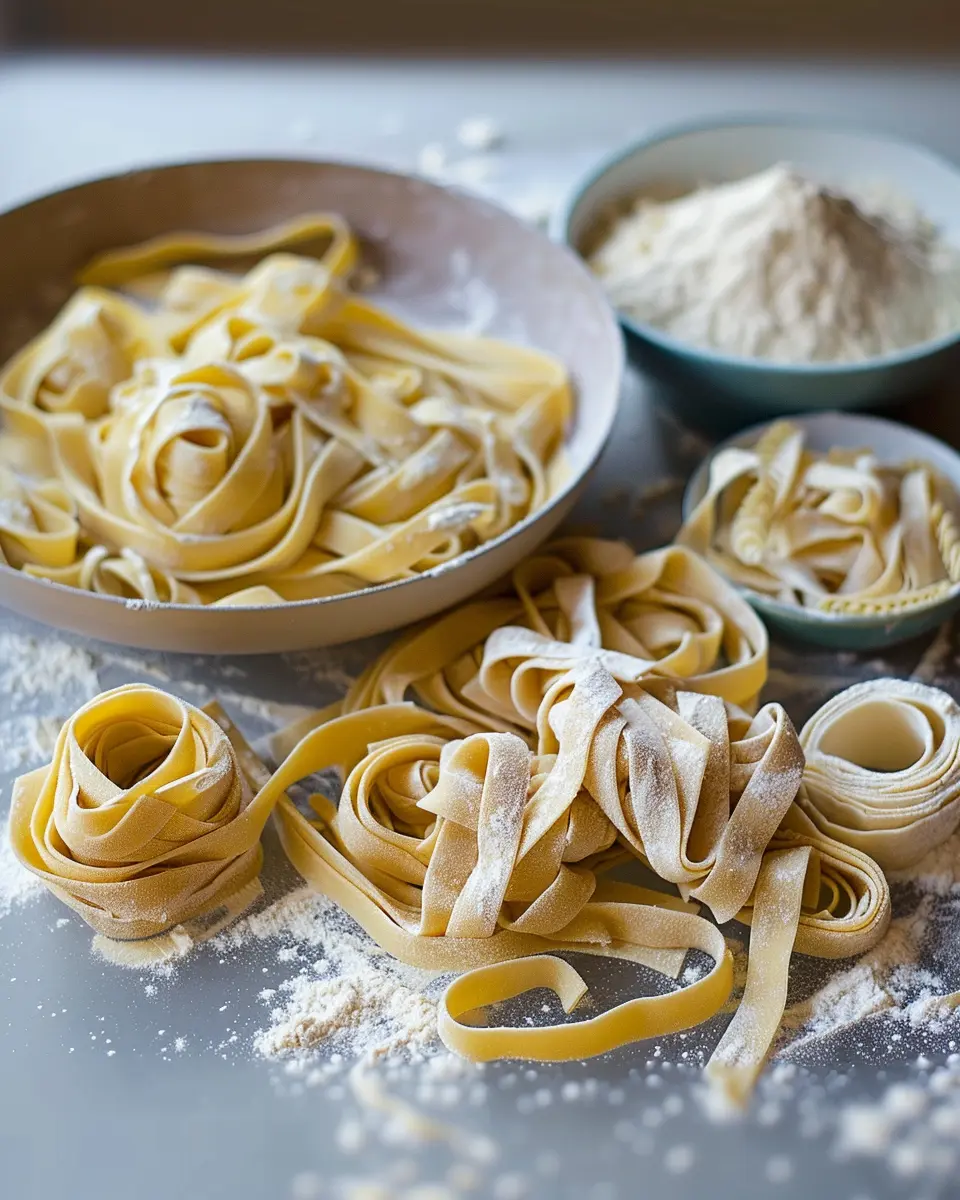
Serving Suggestions for Homemade Pasta
Now that you’ve mastered how to make homemade pasta, it’s time to elevate your dish with some delicious serving ideas! The right combination can turn a simple pasta meal into something truly special.
Pairing Pasta with Sauces
The sauce is where the magic happens. Whether you’re in the mood for a classic marinara or a creamy Alfredo, sauce selection can change everything. Try these popular pairings:
- Pesto: Fresh basil pesto adds vibrant flavor and works beautifully with fettuccine.
- Tomato Sauce: A rich tomato sauce with herbs is a timeless choice for spaghetti.
- Olive Oil and Garlic: Simple yet satisfying, this combination perfectly complements angel hair pasta.
For more sauce inspiration, you can check out Serious Eats’ sauce guide.
Creative Additions like Vegetables and Proteins
Don’t forget about extra ingredients! Boost nutrition and flavor by adding:
- Roasted Vegetables: Asparagus, zucchini, or bell peppers add color and texture.
- Proteins: Think grilled chicken ham or turkey bacon for a savory twist.
- Herbs and Cheeses: Fresh herbs like parsley and a sprinkle of Parmesan are game-changers.
Experimenting with these ideas not only enhances the taste but also makes your meal visually stunning. So go ahead, get creative and savor every bite!
Time Breakdown for Making Homemade Pasta
Preparation Time
Making homemade pasta is a rewarding experience! You’ll need about 30 minutes to gather your ingredients and prepare your dough. This includes measuring out flour, cracking eggs, and mixing everything until it’s smooth. Gathering tools like a rolling pin or pasta machine will help streamline this step. If you want to learn how to make homemade pasta like a pro, take it slow and enjoy the process!
Cooking Time
Once your pasta dough has rested, cooking it is a breeze! Boiling takes around 2-4 minutes depending on the thickness of your noodles. Fresh pasta cooks up quickly, so keep a close eye on it!
Total Time
In total, you’re looking at around 35-40 minutes from start to finish. That means you can indulge in a delicious homemade dinner in less than an hour! And if you need tips on storage and meal planning, check out sources like Serious Eats for expert advice. So, are you ready to impress your friends with your pasta-making skills?
Nutritional Facts for Homemade Pasta
When you’re learning how to make homemade pasta, it’s not just about the delicious taste; understanding its nutritional content is equally important.
Calories per serving
A standard serving of homemade pasta, typically about one cup, contains approximately 200-220 calories. This can vary depending on the ingredients you use, like whole grain versus refined flour.
Macronutrient breakdown
- Carbohydrates: 42-45 grams
- Protein: 7-8 grams
- Fat: 1-2 grams
Making your own pasta allows you to experiment with different flours, which can boost not only flavor but also nutrients. Learning about the ingredients can help you tailor your meals to fit your dietary needs. For more on nutrition and health benefits, consider checking out resources from the USDA or Harvard Health.
By mastering how to make homemade pasta, you’re setting yourself up for flavorful meals that are also satisfying from a nutritional standpoint!
FAQs about Homemade Pasta
How do I store homemade pasta?
Storing your homemade pasta properly can extend its freshness and flavor. If you’re planning to eat it within a few days, simply place it in an airtight container or a resealable bag in the refrigerator. For longer-term storage, consider freezing it. Lay the pasta out on a baking sheet in a single layer to prevent sticking, and once it’s frozen, transfer it to a freezer-safe bag. Did you know that dried pasta can last for months when stored in a cool, dry place? This is a handy option if you like to batch-make your pasta.
Can I make pasta without eggs?
Absolutely! If you’re wondering how to make homemade pasta without eggs, you can use just flour and water. Many traditional Italian pasta varieties, like pasta alla chitarra, are egg-free. Combine 2 cups of flour with about ¾ cup of water, knead until smooth, and roll out as usual. The result is a delightful vegan option that’s just as versatile as its egg-based counterpart. For more details on egg-free pasta options, check out this resource from Serious Eats.
What sauces pair best with homemade pasta?
The beauty of homemade pasta is that it can adapt to various sauces! Here are a few pairings to consider:
- Marinara Sauce: A classic choice that never disappoints.
- Alfredo Sauce: Creamy and rich, perfect for fettuccine.
- Pesto: Fresh and aromatic, it’s fantastic with thinner noodles.
- Bolognese: Heartwarming and full of flavor, this is a robust option for ribbon pasta.
Ultimately, the best sauce is one that suits your personal flavor preferences. Have fun experimenting, and remember, the joy of making homemade pasta is in the creativity!
Conclusion on Homemade Pasta
The joy of creating your own homemade pasta is unparalleled. From mixing the dough to the delightful aroma wafting through your kitchen, each moment is a celebration of culinary art. There’s something truly fulfilling about mastering how to make homemade pasta, knowing you’re adding a personal touch to your meals. Plus, homemade pasta often tastes fresher and is a healthier option compared to store-bought varieties.
Remember, whether you’re preparing a family dinner or hosting friends, the satisfaction that comes from serving a dish made with love is priceless. Embrace the process, and enjoy every bite! Discover more about the benefits of homemade meals here.
PrintHow to Make Homemade Pasta: Easy, Delicious, and Fun for All
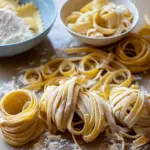
Learn how to make homemade pasta from scratch. This easy recipe will guide you through the process of creating delicious pasta right in your kitchen.
- Prep Time: 30 minutes
- Cook Time: 5 minutes
- Total Time: 35 minutes
- Yield: 4 servings
- Category: Pasta
- Method: Boiling
- Cuisine: Italian
- Diet: Vegetarian
Ingredients
- 2 cups all-purpose flour
- 3 large eggs
- 1 teaspoon salt
- 1 tablespoon olive oil
Instructions
- On a clean surface, mound the flour and make a well in the center.
- Crack the eggs into the well and add salt and olive oil.
- Using a fork, slowly incorporate the flour into the eggs until a dough forms.
- Knead the dough for about 10 minutes, then wrap it in plastic and let it rest for 30 minutes.
- Roll out the dough and cut it into your desired shape.
- Cook the pasta in boiling salted water for 2-4 minutes, then drain and serve.
Notes
- Ensure all ingredients are at room temperature for best results.
- You can use a pasta maker for a consistent thickness.
Nutrition
- Serving Size: 1 serving
- Calories: 220
- Sugar: 0g
- Sodium: 200mg
- Fat: 5g
- Saturated Fat: 1g
- Unsaturated Fat: 3g
- Trans Fat: 0g
- Carbohydrates: 40g
- Fiber: 2g
- Protein: 8g
- Cholesterol: 120mg